






What Is the Difference Between UV Protection and Polarization?
UV protection and polarization serve two different purposes in sunglasses. UV protection helps block ultraviolet rays from reaching the eyes, while polarization reduces reflected glare from surfaces such as roads, water, snow, and vehicle glass. When comparing UV protection vs polarization, neither feature replaces the other. Chemistrie polarized sun clips combine 100% UV protection with reflected-glare control in a custom clip-on made for the glasses you already wear.
UV Protection vs Polarization: What Does Each Feature Do?
UV protection and polarization are often mentioned together, but they address different parts of outdoor light.
UV protection refers to a lens’s ability to block ultraviolet radiation. The two primary types associated with eyewear are UVA and UVB rays. UV rays are invisible, so you cannot determine the amount of UV protection a lens provides by looking at its color or darkness.
Polarization focuses on visible reflected light. When sunlight reflects from a flat or smooth surface, it can create concentrated glare. Polarized lenses contain a filter designed to reduce that reflected glare before it reaches the eyes.
The simplest way to understand the difference is:
-
UV protection addresses ultraviolet rays.
-
Polarization addresses reflected glare.
-
Lens tint reduces overall visible brightness.
-
Lens color affects appearance and how colors are perceived.
-
A quality sun lens can combine several of these features.
A polarized lens can also provide UV protection, but the two features are not automatically connected. Shoppers should confirm both separately instead of assuming one guarantees the other.
The American Academy of Ophthalmology recommends choosing sunglasses that block 99% to 100% of UVA and UVB radiation or are labeled UV400.

Does Polarized Automatically Mean UV Protection?
No. Polarization does not automatically mean that a lens provides UV protection.
Polarization is a glare-control feature. It uses a specialized filter to reduce certain reflected light waves. UV protection depends on the material or treatment used to block ultraviolet radiation.
It is possible for a lens to be polarized without offering the level of UV protection you expect. It is also possible for a non-polarized lens to provide complete UV protection.
That is why the product description or label matters. Look for a clear statement such as:
-
100% UV protection
-
100% UVA and UVB protection
-
Blocks 99% to 100% of UVA and UVB rays
-
UV400 protection
A polarization label alone does not answer the UV question. In the same way, a UV-protection label does not mean the lenses will reduce reflected glare.
Chemistrie makes this distinction clear. All Chemistrie sun clips provide 100% UV protection. The collection includes 24 polarized lens colors and three non-polarized options, allowing customers to choose whether they also want polarization.
Do Darker Sunglasses Provide More UV Protection?
Darker sunglasses do not necessarily provide better UV protection.
Lens darkness changes how much visible light passes through the lens. It does not show how effectively the lens blocks invisible UV rays. A lightly tinted lens can provide strong UV protection, while a very dark lens may offer inadequate UV coverage if it was not manufactured with the correct protective properties.
The same principle applies to lens color. Gray, brown, green, amber, mirrored, and gradient lenses can all be made with UV protection. The color alone does not establish the UV rating.
This distinction is important because people often judge sunglasses by appearance. A dark lens may feel more protective because the outdoor environment looks less bright, but brightness control and UV protection are different functions.
When evaluating sunglasses or sun clips, check the stated UV coverage first. Then consider tint darkness, polarization, lens color, and finish based on how and where you expect to use them.

What Does Polarization Help Reduce?
Polarized lenses are designed to reduce reflected glare from smooth, bright, and often horizontal surfaces.
Common sources of reflected glare include:
-
Roads and pavement
-
Water
-
Snow and ice
-
Vehicle glass
-
Building windows
-
Painted or metallic surfaces
-
Wet sidewalks
-
Outdoor tables and countertops
A standard sun tint reduces the overall amount of visible light entering the eyes. Polarization adds another layer of glare control by filtering light that reflects in a concentrated direction.
This can make polarization useful for daytime driving, fishing, boating, beach trips, winter activities, travel, outdoor dining, and everyday time outside. Polarization can also affect how certain digital displays appear. Some phone screens, dashboards, navigation displays, and LCD screens may look darker or show unusual patterns when viewed through polarized lenses at particular angles. Turning your head slightly or changing the viewing angle may make the display easier to see.
For a closer look at everyday uses, read Why Polarized Sun Clips Belong in Your Everyday Eyewear Setup.
Why UV Protection and Polarization Work Well Together
UV protection and polarization solve different outdoor eyewear problems, which is why many people choose lenses that include both.
UV protection provides coverage from UVA and UVB rays. Polarization helps control reflected glare from the surfaces around you. A lens that combines the two can provide stated UV coverage while also creating a more comfortable view in glare-heavy environments.
This combination can be especially useful when:
-
Driving during the day
-
Walking on bright pavement
-
Spending time near lakes, pools, or oceans
-
Traveling through changing outdoor environments
-
Attending outdoor events
-
Dining outside
-
Visiting snowy or icy areas
-
Running everyday errands in bright conditions
Someone who primarily wants UV protection may be comfortable with a non-polarized sun lens. Someone who frequently encounters reflected glare may prefer a polarized option.
Neither choice is automatically right for everyone. The better option depends on the activities, visual preferences, screen use, style, and outdoor conditions involved.

How Chemistrie Sun Clips Provide Both Features
Chemistrie polarized sun clips combine 100% UV protection with polarization designed to reduce reflected glare.
Instead of requiring a separate pair of prescription sunglasses, each clip-on is custom-crafted for the exact shape and base curve of the glasses you already wear. Tiny magnets are installed near the outer areas of the lenses, and matching magnets are embedded in the custom sun clip.
As the sun clip approaches the glasses, the magnets guide it through the final alignment and create the magnetic snap. The clip-on can then be removed when you return indoors without changing your primary glasses.
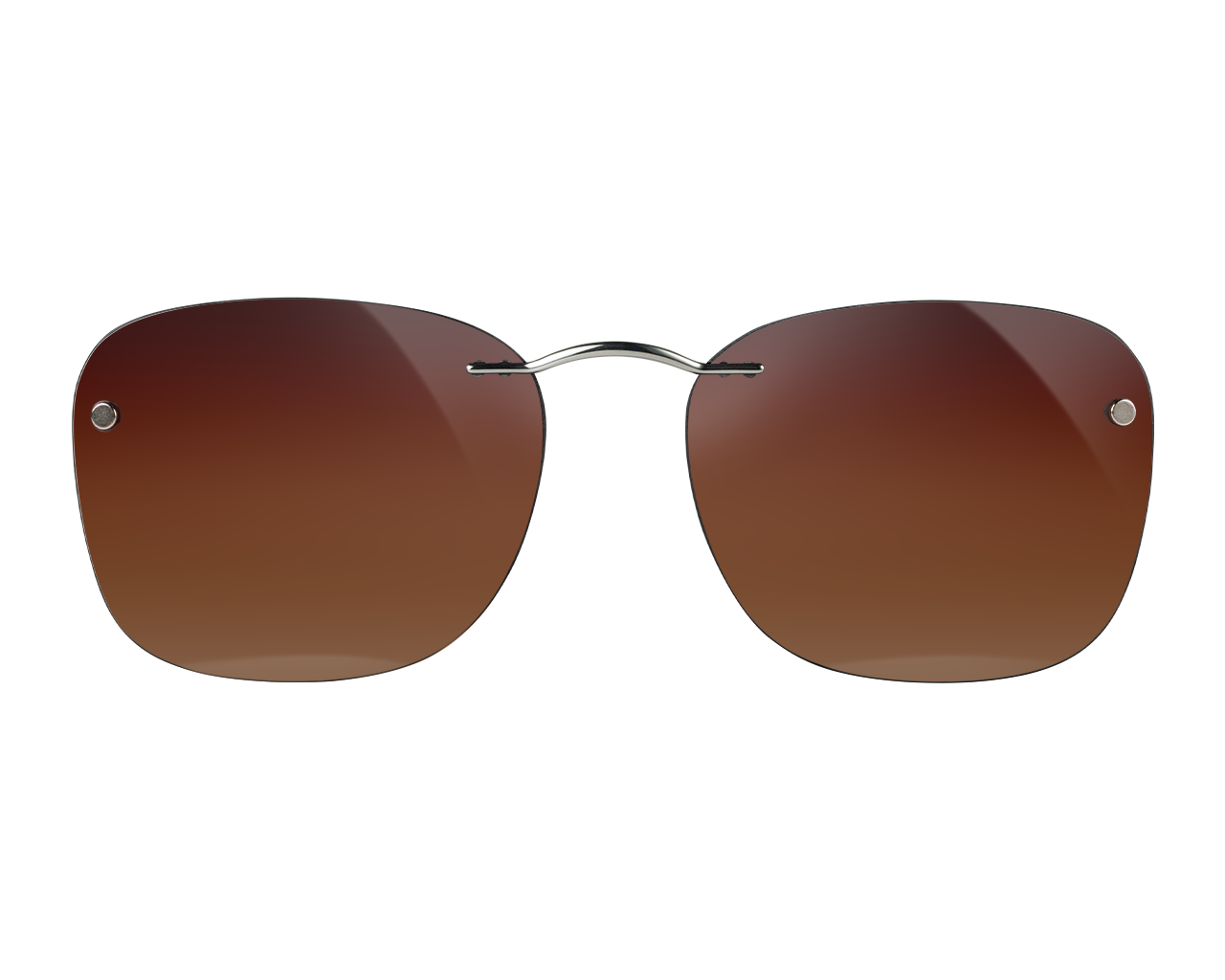
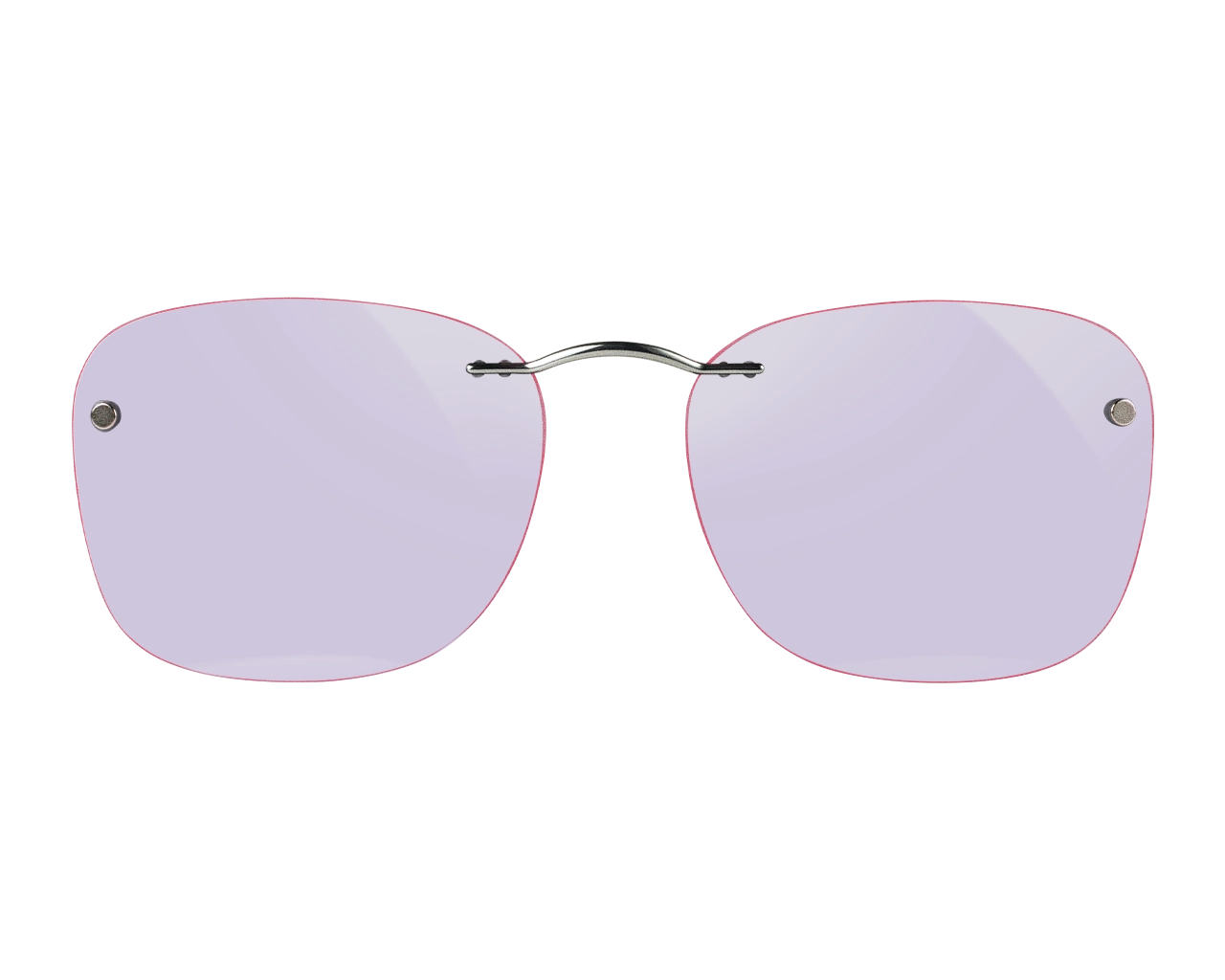
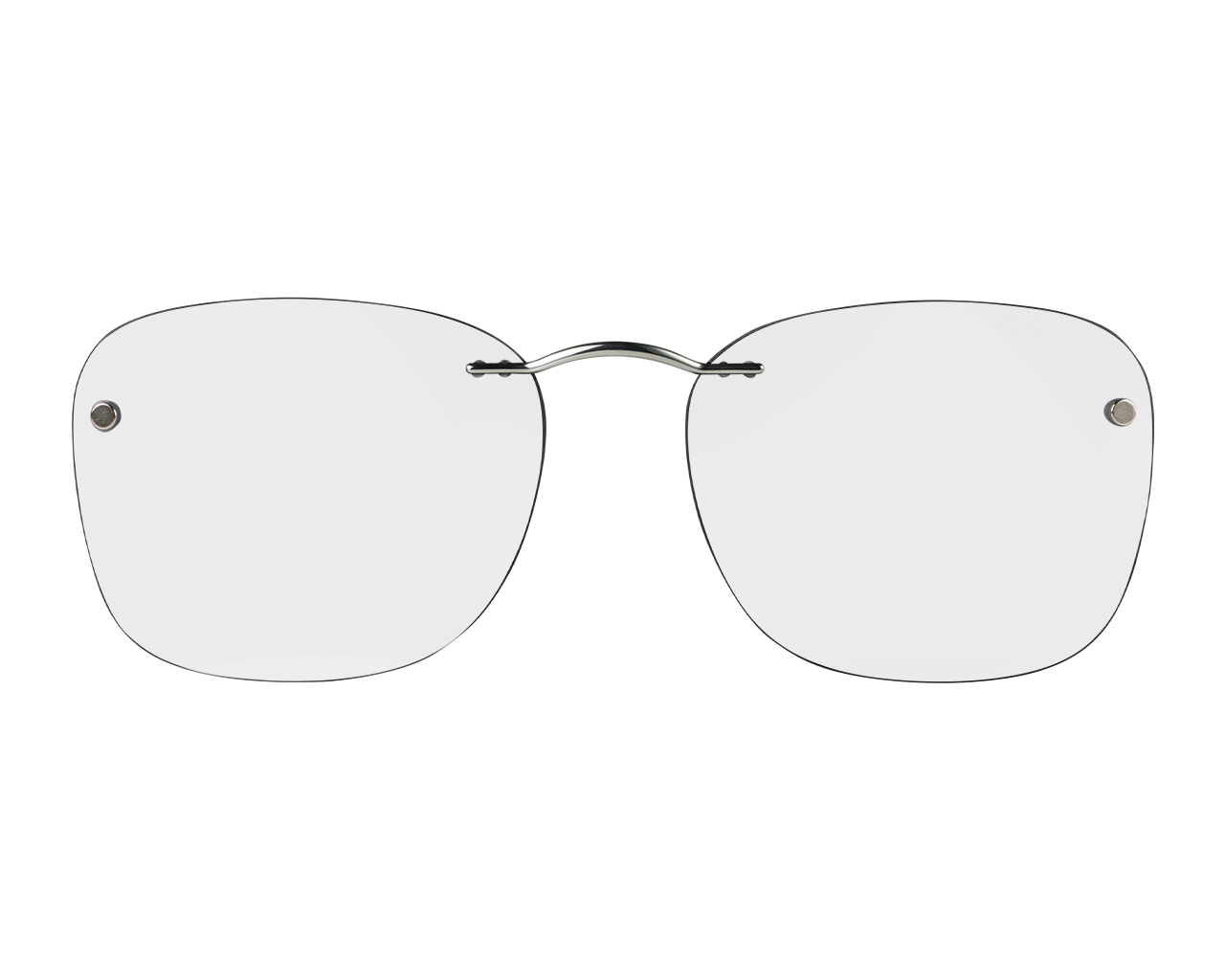
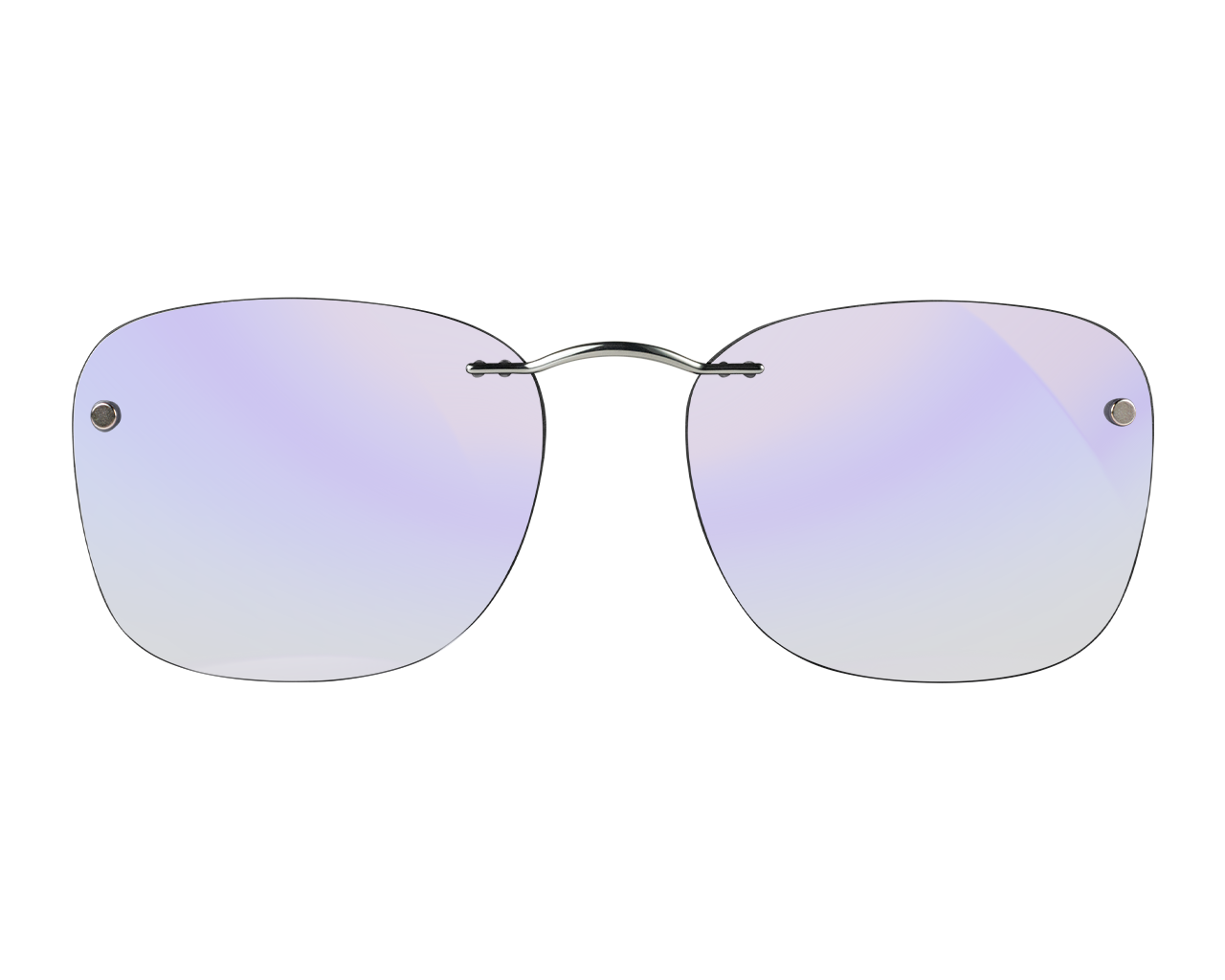
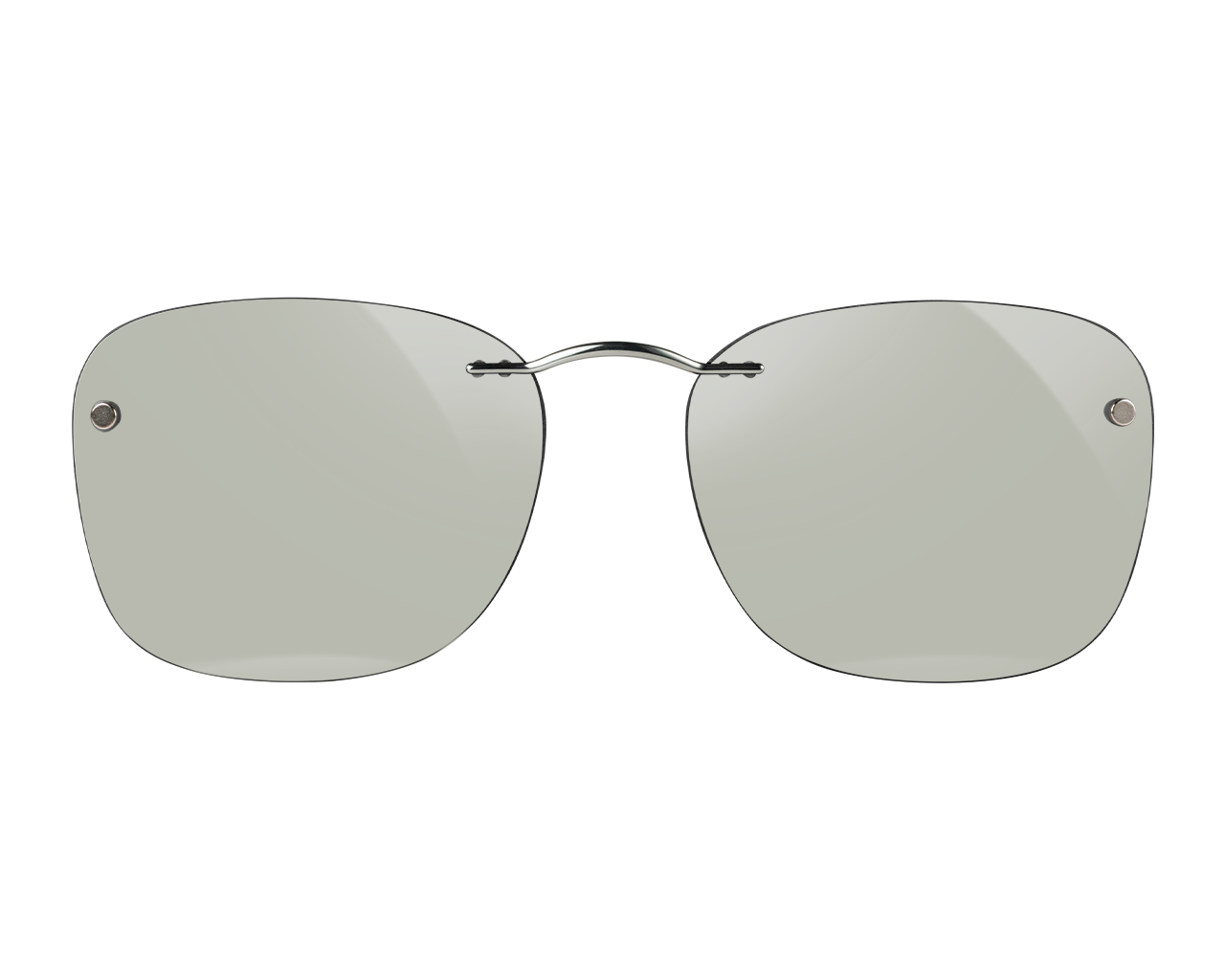
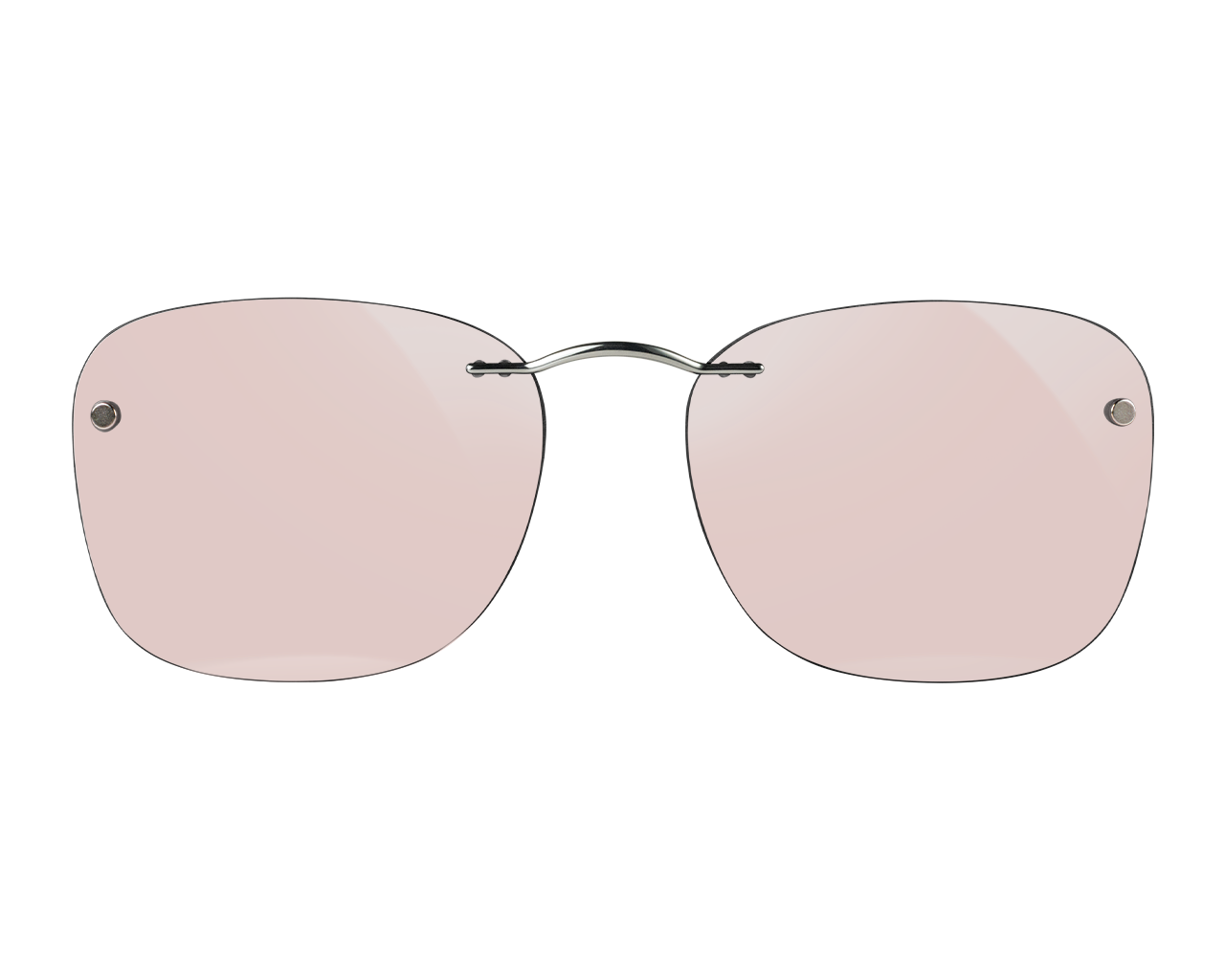
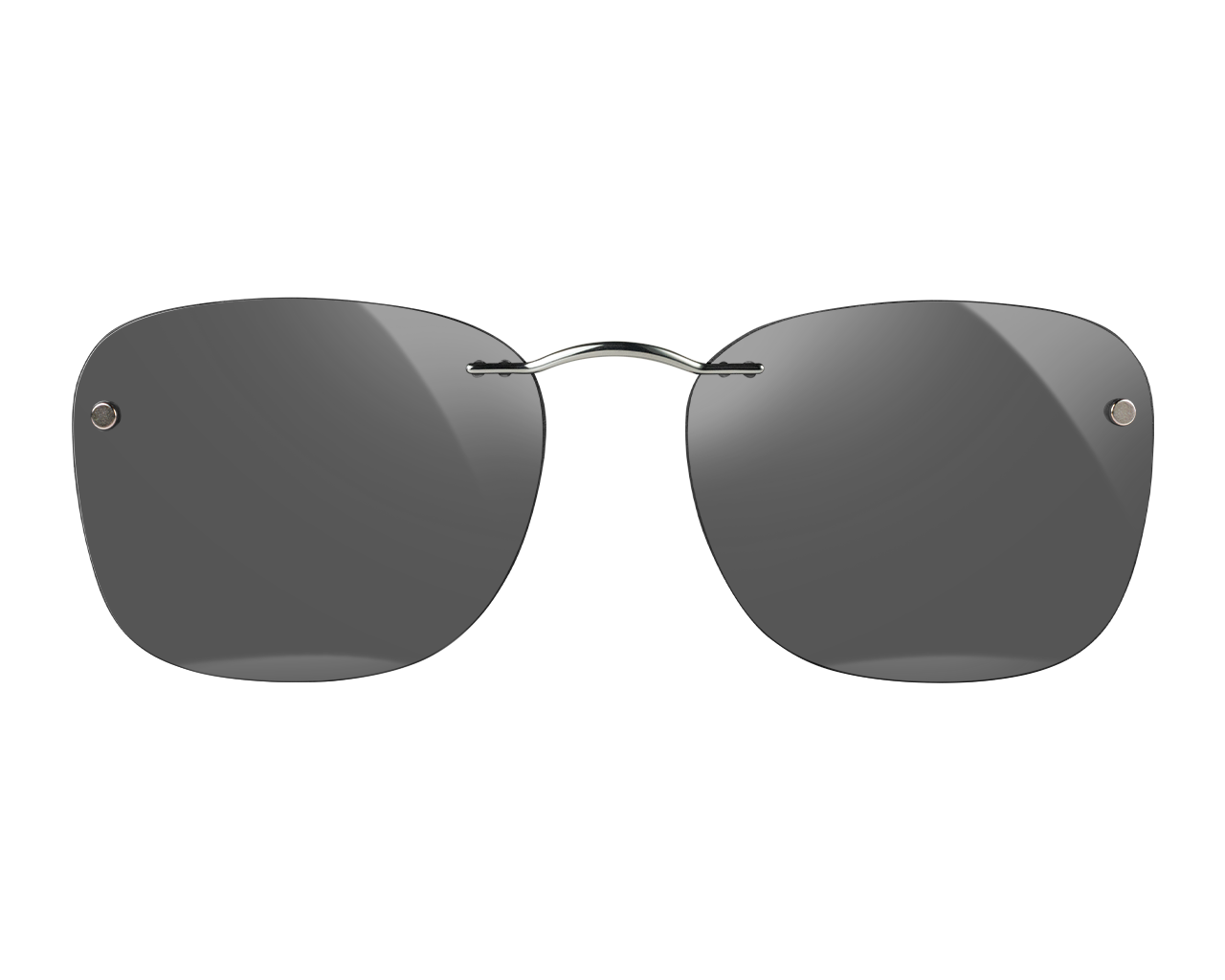
Chemistrie currently offers 24 polarized sun lens colors, including solid, mirror, and gradient options. Three non-polarized colors are also available, and every sun clip provides 100% UV protection.
This gives customers several choices:
-
Select a polarized lens for UV protection and reflected-glare control.
-
Select a non-polarized lens for UV protection without the polarization filter.
-
Choose a solid tint for a traditional sunglass appearance.
-
Choose a mirror finish for a more noticeable outdoor style.
-
Choose a gradient lens that transitions from darker at the top to lighter toward the bottom.
The lens choice changes, but the custom-fit magnetic design remains the same. Each sun clip is made for one specific pair of glasses rather than using a universal shape, hooks, or a spring-loaded attachment.
If you are comparing different clip-on styles, review What to Know Before Buying Clip-On Sunglasses for Prescription Glasses.
How to Choose Between Polarized and Non-Polarized Sun Clips
Begin by deciding where you expect to wear the sun clip most often.
A polarized sun clip may be the better choice if your routine includes frequent daytime driving, time near water, snowy conditions, or other environments with noticeable reflected glare.
A non-polarized sun clip may work well if your main priorities are UV coverage, general brightness reduction, a particular lens color, or easier viewing of certain digital displays.
Consider these questions before choosing:
-
Do roads, water, snow, or glass create noticeable glare during your routine?
-
Will you frequently look at an LCD screen, dashboard, or digital display?
-
Do you prefer a neutral, mirrored, or gradient appearance?
-
Will the clip-on be used mainly for driving, outdoor recreation, travel, or everyday errands?
-
Do you want more than one sun clip for different activities or styles?
One clip-ready frame can support multiple custom clip-ons. For example, someone could choose a polarized gray sun clip for everyday use and add another color or finish for outdoor events and travel.
Chemistrie clips work on virtually any frame, so customers can often use the glasses they already own. The complete eyewear can be sent in for magnet installation and custom sun clip production. Customers may also use an existing frame with new prescription lenses or purchase new clip-ready eyewear.
Frequently Asked Questions
What is the main difference between UV protection and polarization?
UV protection helps block ultraviolet rays, while polarization reduces reflected glare from surfaces such as water, roads, snow, and vehicle glass. They are separate lens features that can be used together.
Do polarized lenses always block UV rays?
No. Polarization alone does not confirm that a lens provides UV protection. Check the product description for a clear UV rating, such as 100% UVA and UVB protection or UV400.
Can non-polarized sunglasses still provide complete UV protection?
Yes. A non-polarized lens can still provide 100% UV protection. It may reduce general brightness without including the specialized filter used to control reflected glare.
Does a darker tint provide more UV protection?
Not necessarily. Lens darkness affects visible brightness, while UV protection depends on the lens material or treatment. A clear or lightly tinted lens can provide strong UV protection if it has the correct UV-blocking properties.
Do Chemistrie polarized sun clips include UV protection?
Yes. All Chemistrie sun clips provide 100% UV protection. The current collection includes 24 polarized lens colors that combine UV coverage with reflected-glare control, along with three non-polarized options.


