
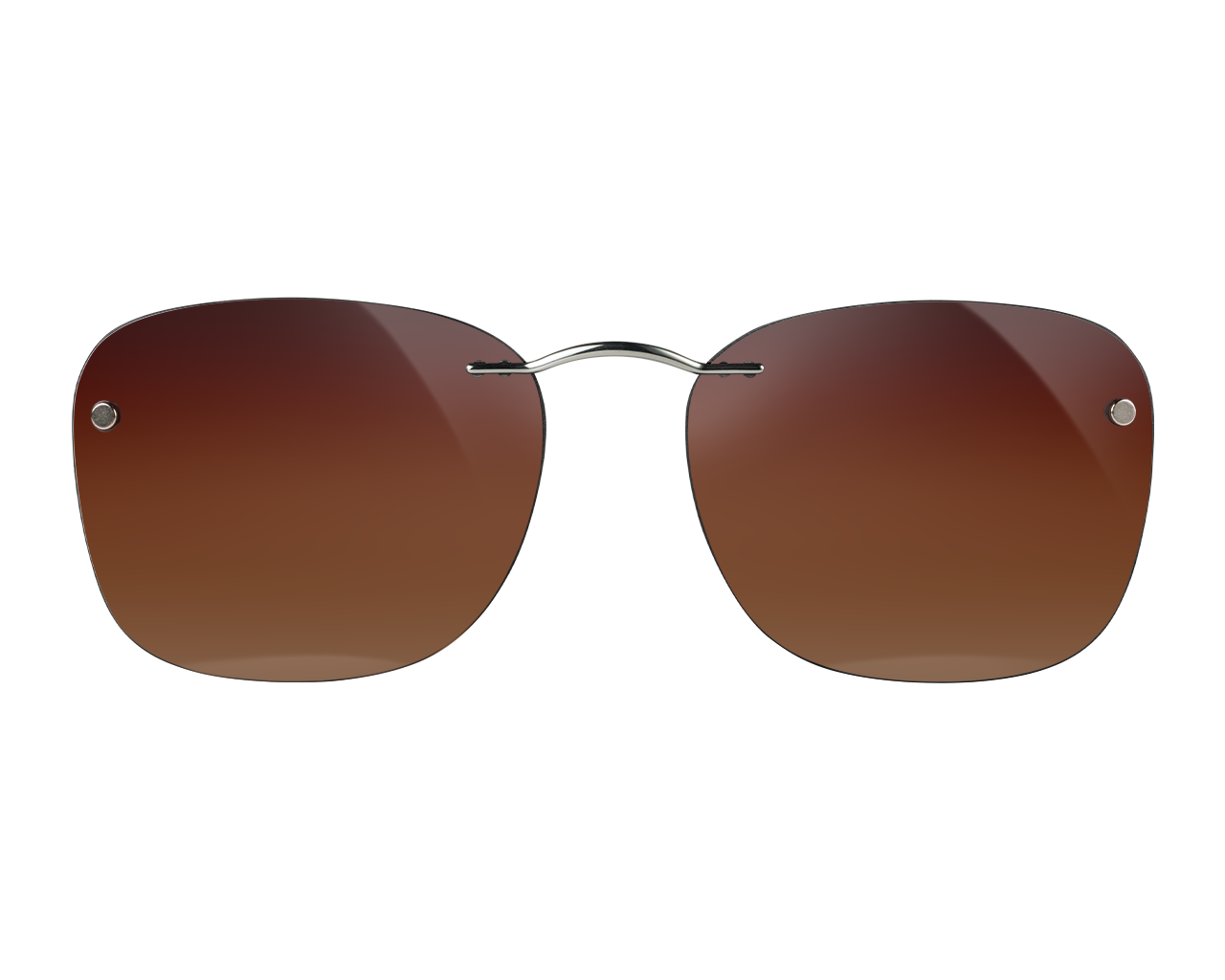
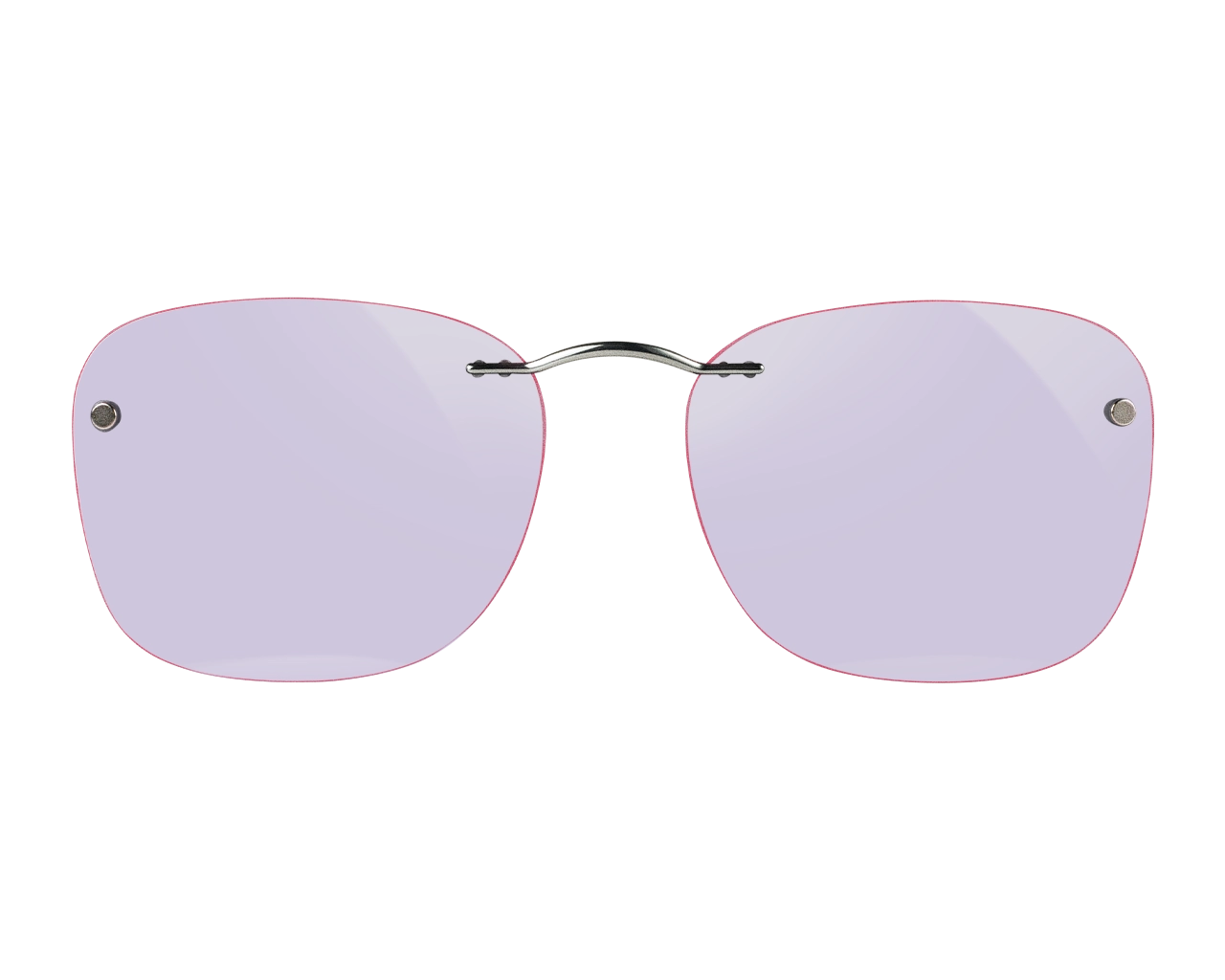
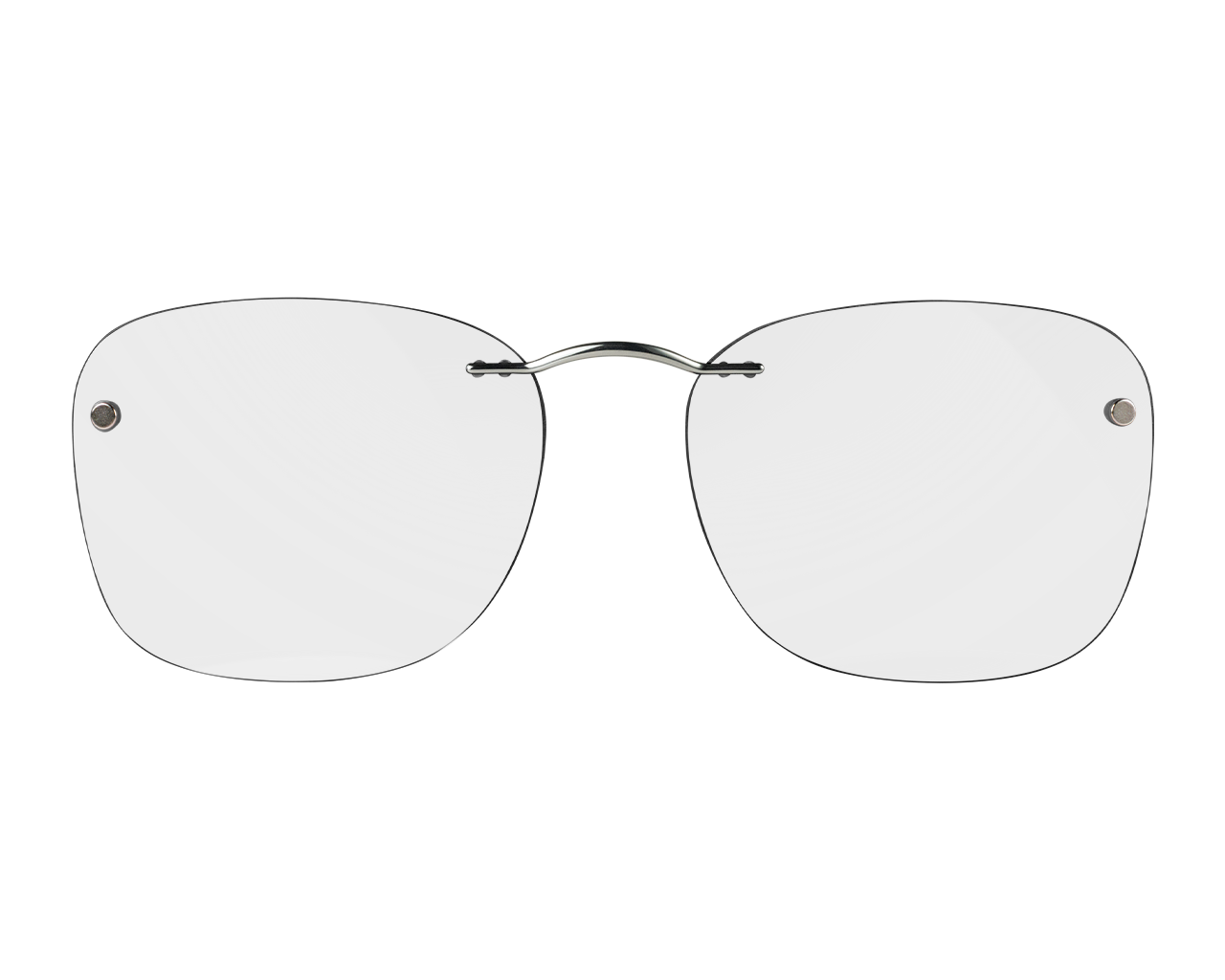

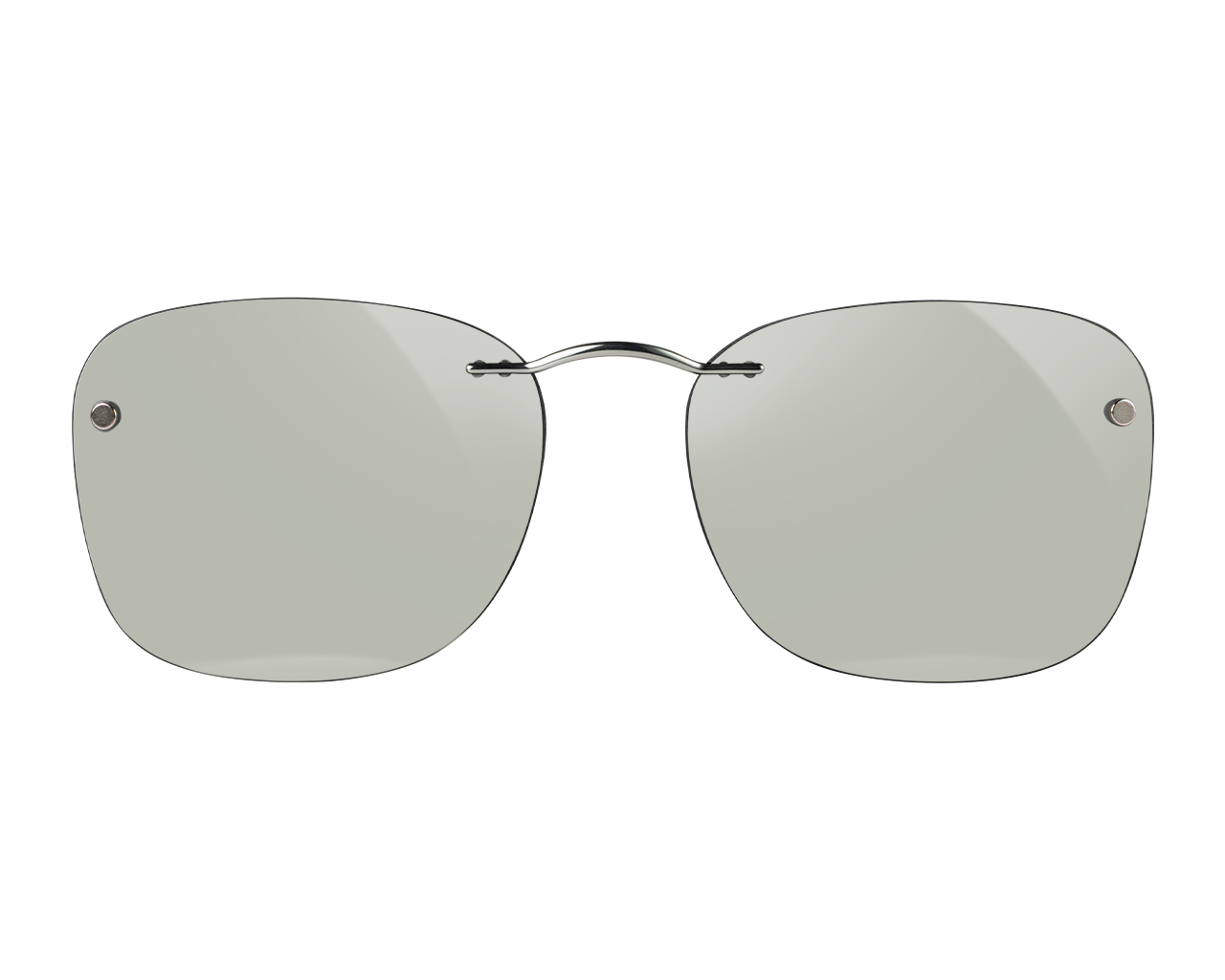
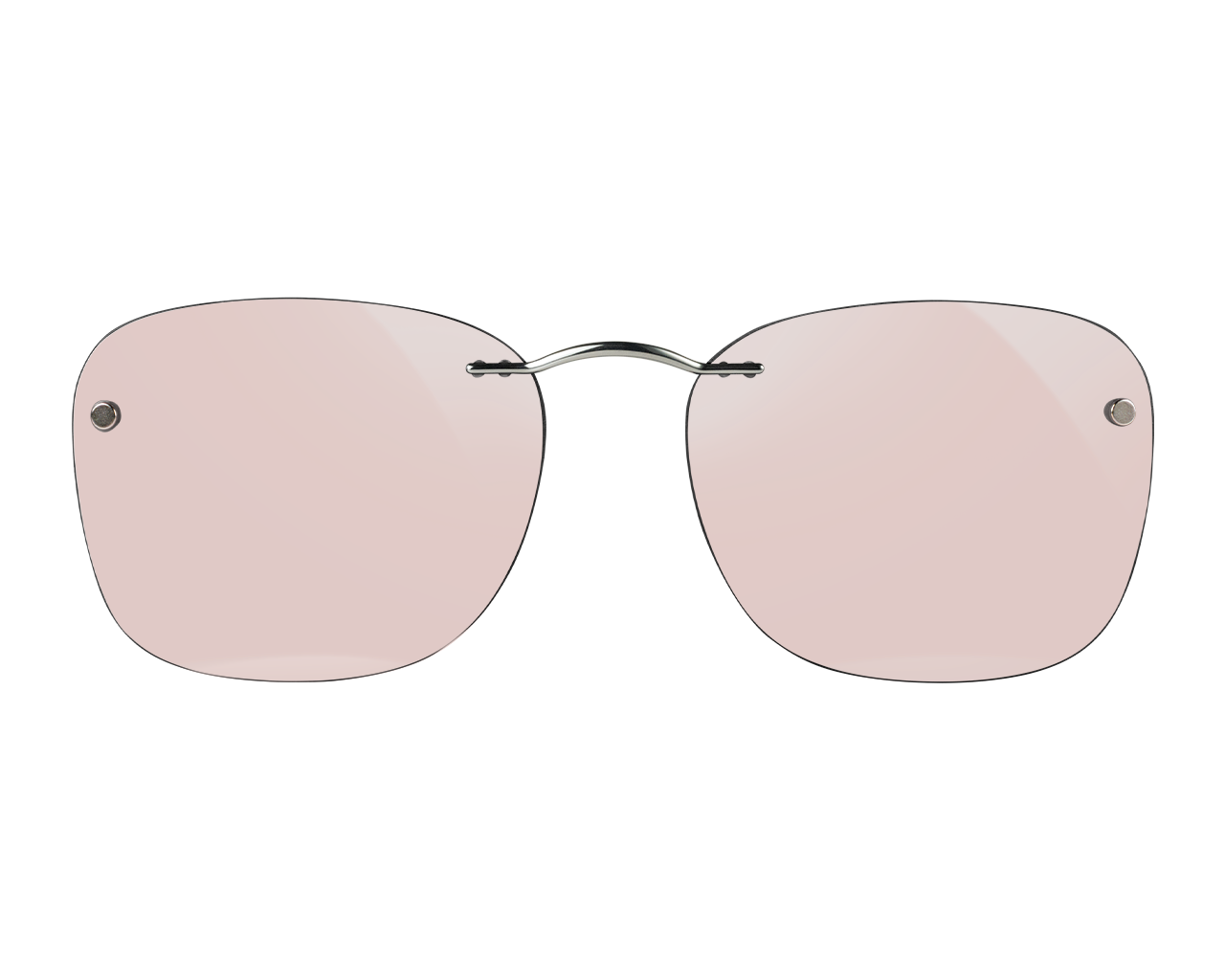


Do Magnetic Clip-Ons Scratch Prescription Lenses?
Magnetic clip-ons should not scratch prescription lenses when they are custom-fitted, properly aligned, and used as intended. Chemistrie Clips are made for the exact shape and base curve of the glasses you already wear. This precise fit helps the clip-on sit correctly without bulky hooks or clamps rubbing against the lens surface.
Even a well-made clip-on still needs proper care. Dust, sand, rough cleaning materials, forced alignment, and loose storage can scratch almost any optical lens. Understanding how the magnetic system works—and how to handle it correctly—can help protect both your prescription glasses and your clip-on.

Why Properly Fitted Magnetic Clip-Ons Should Not Scratch Lenses
The risk of scratching depends largely on how the clip-on is designed and how well it fits the glasses underneath it.
Universal clip-ons are generally made to fit several frame shapes and sizes. Some use hooks, clamps, spring mechanisms, or other hardware that rests against the frame or near the lens surface. When the fit is not precise, the attachment may shift or create unwanted contact.
Chemistrie uses a different approach. Tiny magnets are installed near the outer edges of the prescription lenses. Matching magnets in the custom clip-on guide it into the correct position as it approaches the glasses.
The clip-on is also cut for the exact lens shape and matched to the eyewear’s base curve. This helps it align with the glasses instead of moving around or pressing unevenly against the prescription lenses.
The magnetic connection does not require a person to clamp, slide, or drag hardware across the lenses. When the clip-on is brought close to the correct position, the magnets guide the final alignment and create the familiar snap.
You can learn more about this connection in How Do Magnetic Clip-On Lenses Stay Attached?.
What Can Cause Scratches Between a Clip-On and Prescription Lenses?
A properly fitted magnetic clip-on is designed not to scratch the prescription lenses underneath it. However, incorrect handling or trapped debris can create a scratching risk with any type of eyewear.
Common causes include:
-
Dust, sand, or grit trapped between the two lens layers
-
Wiping dirty lenses with a dry or rough material
-
Using paper towels, tissues, napkins, or clothing to clean the lenses
-
Forcing a clip-on into place when it is not aligned correctly
-
Sliding the clip-on across the prescription lenses
-
Bending or twisting the clip-on
-
Carrying the clip-on loose with keys, coins, or other hard objects
-
Using household cleaners that may damage optical coatings
Small particles can act like an abrasive when rubbed across a lens. A piece of grit may be difficult to see, but dragging it over a coated prescription lens can leave a mark.
That is why both surfaces should be kept clean. Before attaching the clip-on, look at the front of your prescription lenses and the back of the clip-on. If either surface has visible dust or debris, clean it before bringing the two layers together.
Scratches are more likely to result from debris, rough materials, or improper storage than from the magnetic attachment itself.

How Chemistrie’s Custom Fit Helps Protect Your Glasses
Chemistrie Clips are not made from a standard outline intended to fit many unrelated frames. Each clip-on is created for a specific pair of glasses.
The production process accounts for several parts of the eyewear, including:
-
The shape of the prescription lenses
-
The dimensions of the frame
-
The location of the installed magnets
-
The base curve of the lenses
-
The bridge position
-
The alignment between the glasses and the clip-on
Base curve matching is particularly important. The base curve describes the front curvature of a lens. A clip-on with the wrong curve may sit unevenly, extend too far from the glasses, or make unwanted contact with the prescription lenses.
A properly matched curve allows the clip-on to follow the shape of the eyewear more accurately. This supports a cleaner appearance while helping maintain the intended space and alignment between the two layers.
The magnets also help keep the clip-on in its intended position during normal daily use. Because the attachment points are precisely placed, the clip-on should not need to be pushed, squeezed, or repeatedly adjusted.
If a clip-on appears crooked, feels unusually loose, or rubs against the prescription lenses, it should not be forced into place. Check for dirt around the magnetic areas and confirm that the clip-on is facing the correct direction. If the issue continues, contact Chemistrie or your eye care professional for help.
People interested in adding the system to their current frame can read Can My Current Glasses Be Made Clip-Ready?.
How to Attach and Remove Magnetic Clip-Ons Safely
Correct handling helps protect the prescription lenses, clip-on surface, bridge, and magnetic connection points.
Before attaching a clip-on, make sure both your glasses and the clip-on are reasonably clean. You do not need to clean them every time, but visible dust, sand, or lint should be removed.
Hold the clip-on by its bridge or outer edges. Avoid pressing fingerprints onto the lens surfaces. Bring the clip-on toward the front of the glasses and allow the magnets to guide it into position.
Do not place the clip-on against one side of the glasses and drag it across to reach the other magnet. The attachment should happen through direct alignment rather than sliding.
To remove the clip-on, hold it carefully by the bridge or edges and lift it away from the glasses. Avoid twisting it sharply or pulling on only one lens.
The process should feel easy and controlled. If significant pressure is required, stop and check the alignment instead of forcing the connection.
A few simple habits can make a difference:
-
Check for visible debris before attachment
-
Use the bridge or edges as handling points
-
Let the magnets guide the final alignment
-
Avoid sliding the clip-on across the lenses
-
Never bend the clip-on to change its fit
-
Remove it before cleaning either lens layer
-
Store it immediately when it is not being worn
These habits help protect the optical surfaces while keeping the custom fit and magnetic alignment working as intended.

How to Clean and Store Magnetic Clip-Ons
Clean your magnetic clip-on with the same care you would give a quality pair of glasses. Use a clean microfiber cloth and a cleaning solution made for coated optical lenses.
If the clip-on has visible grit or heavier debris, remove the loose particles before wiping. Rubbing dry grit against the lens surface may create fine scratches.
Avoid using:
-
Paper towels
-
Facial tissues
-
Napkins
-
Shirt fabric
-
Abrasive cleaning pads
-
Household glass cleaner
-
Ammonia-based products
-
Bleach or acetone
-
Sharp tools around the magnets
Clean both sides of the clip-on and the front surface of the prescription lenses. This helps prevent dust, fingerprints, and oils from becoming trapped between the two layers.
When the clip-on is not attached, place it in a protective case. Do not leave it face-down on a table or loose in a purse, backpack, glove compartment, or desk drawer.
Loose storage may expose the lenses to keys, coins, pens, and other objects that can scratch the surface. It may also put pressure on the thin bridge or lens edges.
Avoid leaving the clip-on on a hot dashboard or in other areas exposed to extreme heat. Heat can affect optical materials, coatings, and the shape of thin eyewear components.
For a complete care routine, read How to Care for Magnetic Clip-On Lenses.
Frequently Asked Questions
Do the magnets scratch prescription lenses?
No. The magnetic attachment system is designed to connect the custom clip-on without scratching or scuffing the prescription lenses. The magnets guide the clip-on into its intended position, so it does not need to be dragged across the lens surface.
Can dirt trapped behind a clip-on scratch my glasses?
Dust, sand, or grit trapped between the clip-on and prescription lenses can create a scratching risk if the particles are rubbed against either surface. Check both lens layers and remove visible debris before attaching the clip-on.
Will the magnets damage my prescription or frame?
The magnets do not change the prescription. They are installed near the edges of the lenses, outside the primary viewing area, using a precise optical process. The magnetic system is built into the lenses rather than attached to the frame with hooks or clamps.
What should I do if my clip-on touches or rubs against my lenses?
Do not bend, twist, or force the clip-on. Remove it, clean both surfaces, and check the magnetic areas for debris. If the clip-on still appears misaligned or continues making unwanted contact, contact Chemistrie or your eye care professional for an inspection.
How should I store magnetic clip-ons to prevent scratches?
Keep each clip-on in a protective case whenever it is not attached to your glasses. Avoid placing it lens-side down or carrying it loose with keys, coins, and other hard objects.


