



Night Driving Glare: What Actually Works?
Night driving glare is best managed by combining a current prescription, clean lenses and windshields, careful nighttime driving habits, and task-specific lens technology that filters harsh light without simply making everything darker. Chemistrie night drive lenses provide a removable, custom-fit option designed to reduce glare and support contrast when driving after dark.
Night driving can feel very different from daytime driving. Headlights, streetlights, wet pavement, reflective signs, and high-contrast road conditions can all make it harder to feel visually comfortable behind the wheel. For many drivers, the biggest issue is night driving glare: the harsh, bright light that seems to spread, streak, or wash out parts of the road.
The good news is that there are practical ways to make nighttime visibility feel clearer and more manageable. The best approach usually combines clean lenses, the right prescription, smart driving habits, and lens technology designed specifically for nighttime glare control.

Why Night Driving Glare Feels So Intense
At night, your eyes are working with less surrounding light. That makes bright light sources feel more intense by comparison. A headlight that may seem normal during the day can feel harsh after dark because the surrounding environment is much darker.
Glare can also feel worse when light scatters across dirty windshields, scratched lenses, rain, fog, or road reflections. Modern headlights can add to the experience because many vehicles now use brighter, cooler-toned lighting. When those lights hit your eyes directly, reflect off wet pavement, or bounce across your lenses, the result can feel visually distracting.
For users of prescription glasses, the lens surface itself matters too. Smudges, scratches, older coatings, and an outdated prescription can all affect clarity at night.
What Actually Helps With Night Driving Glare?
Start With the Basics: Clean Lenses and Windshield
Before choosing new eyewear, start with the simplest fix: clean every surface light passes through. That includes the outside of your windshield, the inside of your windshield, your glasses, and your mirrors.
A windshield can look clean during the day but still create haze at night. Interior film from dust, temperature changes, and everyday buildup can scatter light from headlights and streetlights. The same thing can happen with glasses. Even a light smudge can become much more noticeable after dark.
Cleaning your lenses and windshield will not solve every issue, but it can reduce unnecessary light scatter and help you get the most out of any glare-control lens option. The American Optometric Association also recommends keeping windshields clean inside and out and replacing worn windshield wipers as needed.
Make Sure Your Prescription Is Current
Nighttime driving can reveal small vision changes that may be less noticeable during the day. If road signs look less crisp, headlights seem more distracting than they used to, or you feel like your glasses are not giving you the same clarity, it may be time for an eye exam.
The right prescription is the foundation. Glare-control lens products can support nighttime visibility, but they should not be treated as a replacement for accurate prescription eyewear or professional guidance. If you notice sudden vision changes, unusual discomfort, or worsening visual symptoms, it is best to consult an eye care professional.
Be Careful With Dark Tints at Night
One of the biggest misconceptions about nighttime glare is that darker lenses automatically help. Dark lenses may reduce brightness, but they can also reduce the amount of useful light reaching your eyes. At night, that can make the overall driving environment feel dimmer.
That is why regular sunglasses are not the right solution for nighttime driving. The goal is not simply to make everything darker. The goal is to manage harsh light while maintaining useful visibility and contrast. The American Academy of Ophthalmology advises drivers to be cautious about dark or heavily tinted night driving glasses.
A better nighttime lens option should be designed specifically for glare control and contrast support in low-light conditions.
What Lens Design Can Actually Do
The most helpful nighttime lens designs focus on filtering specific light ranges, reducing harsh glare, and supporting contrast. This is different from a general tint or fashion lens.
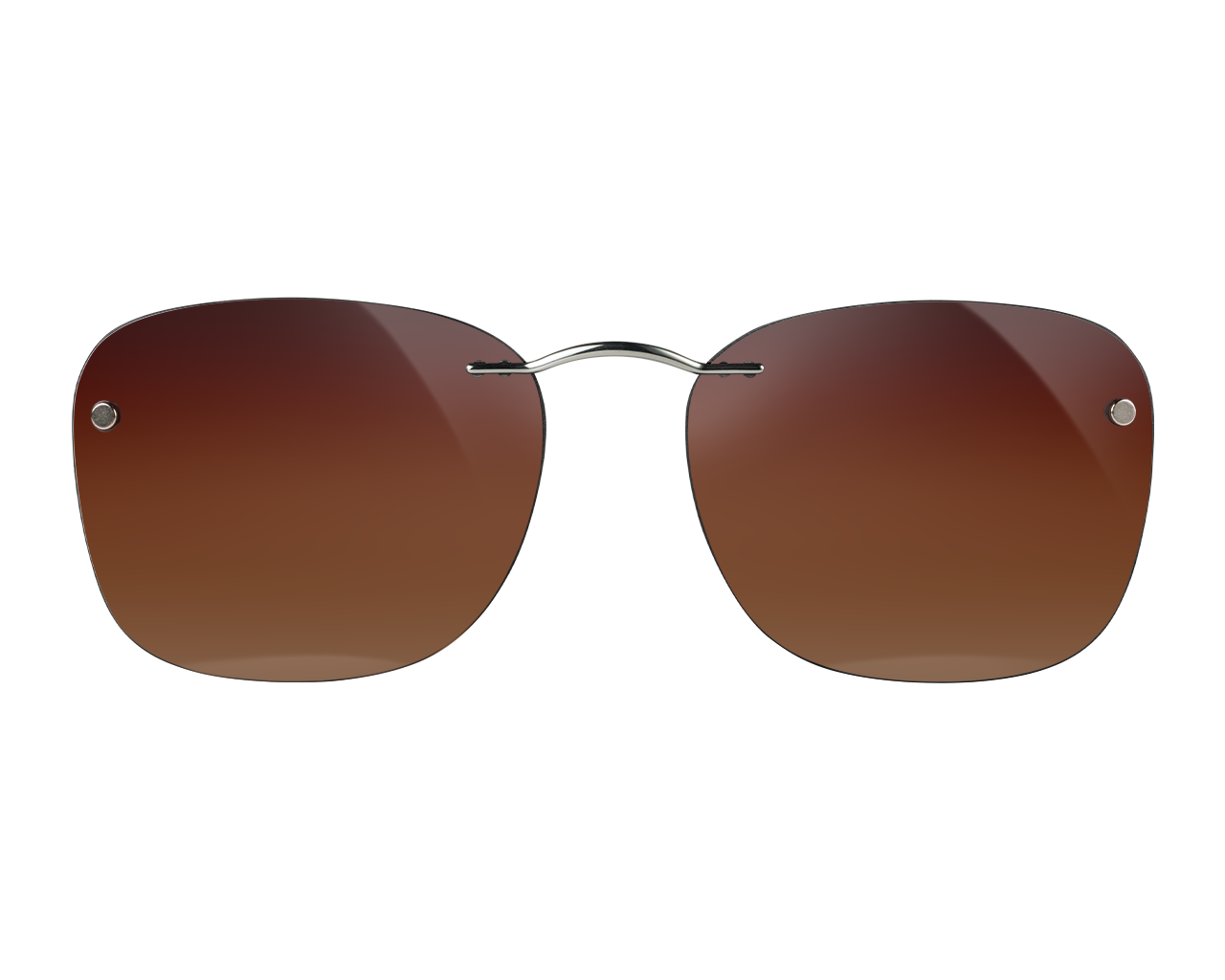
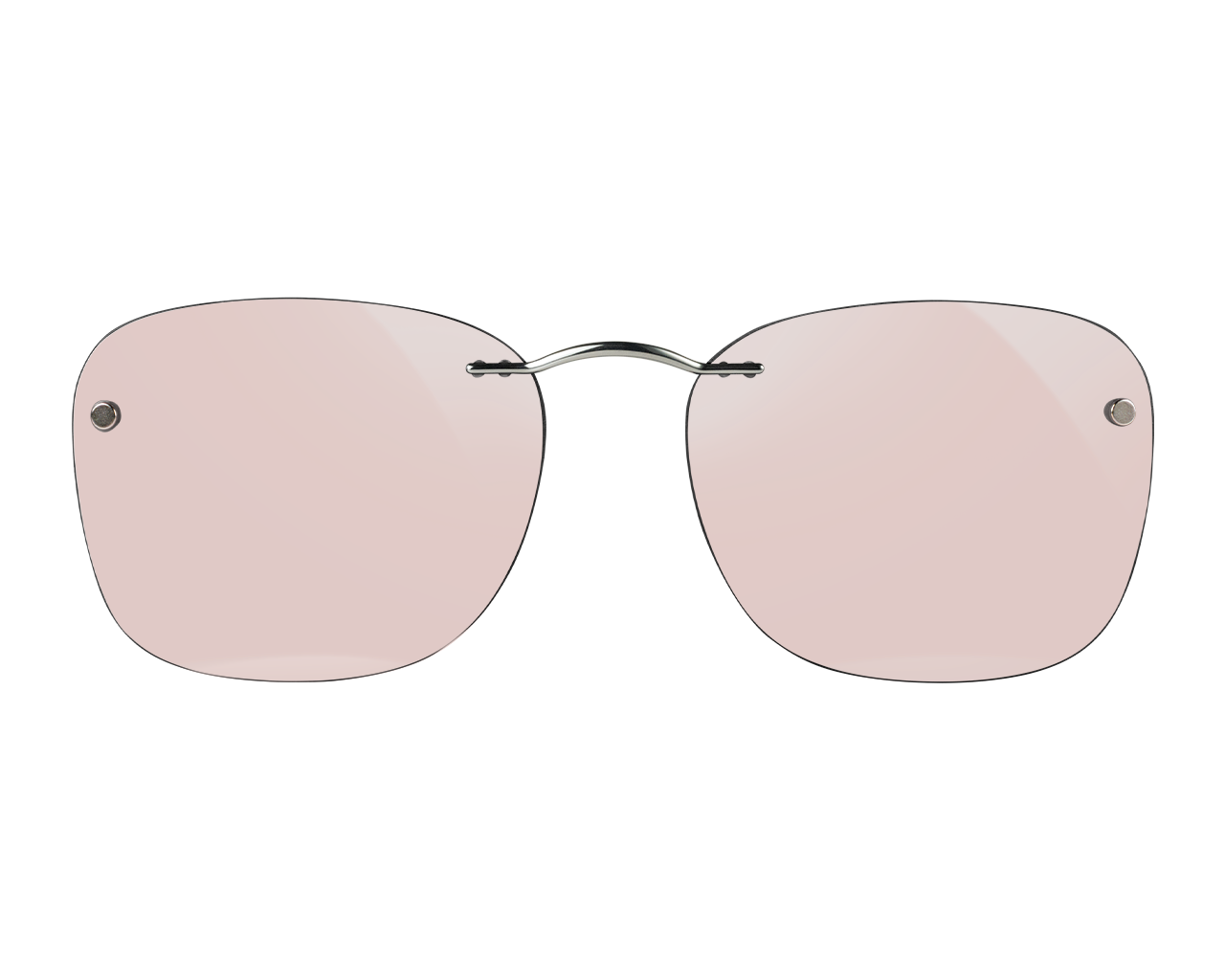
Chemistrie night drive lenses are designed for nighttime visibility support using glare-control lens technology. They filter 565–595nm wavelengths and use Quantum glare-control hardcoat technology to help reduce harsh light from headlights and streetlights while supporting contrast.
This type of lens design is not about making unrealistic promises. It is about giving users of prescription glasses an optical tool built for a specific environment: nighttime driving conditions where glare and contrast matter.

Why Clip-Ons Make Sense for Night Driving
Night driving is task-specific. You do not need nighttime glare-control lenses all day, and you probably do not want a permanent nighttime tint in your everyday prescription glasses. That is where custom clip-ons can make sense.
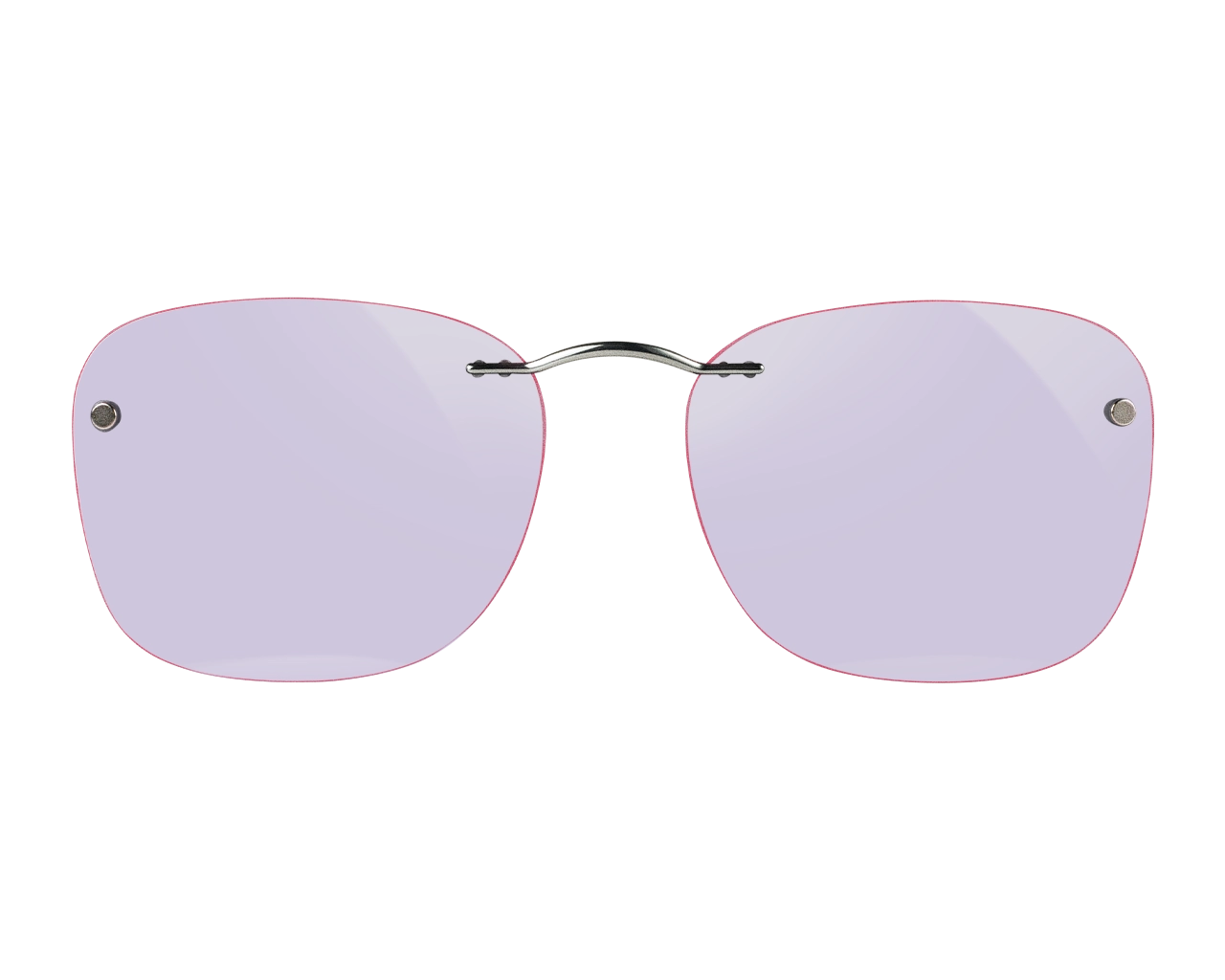
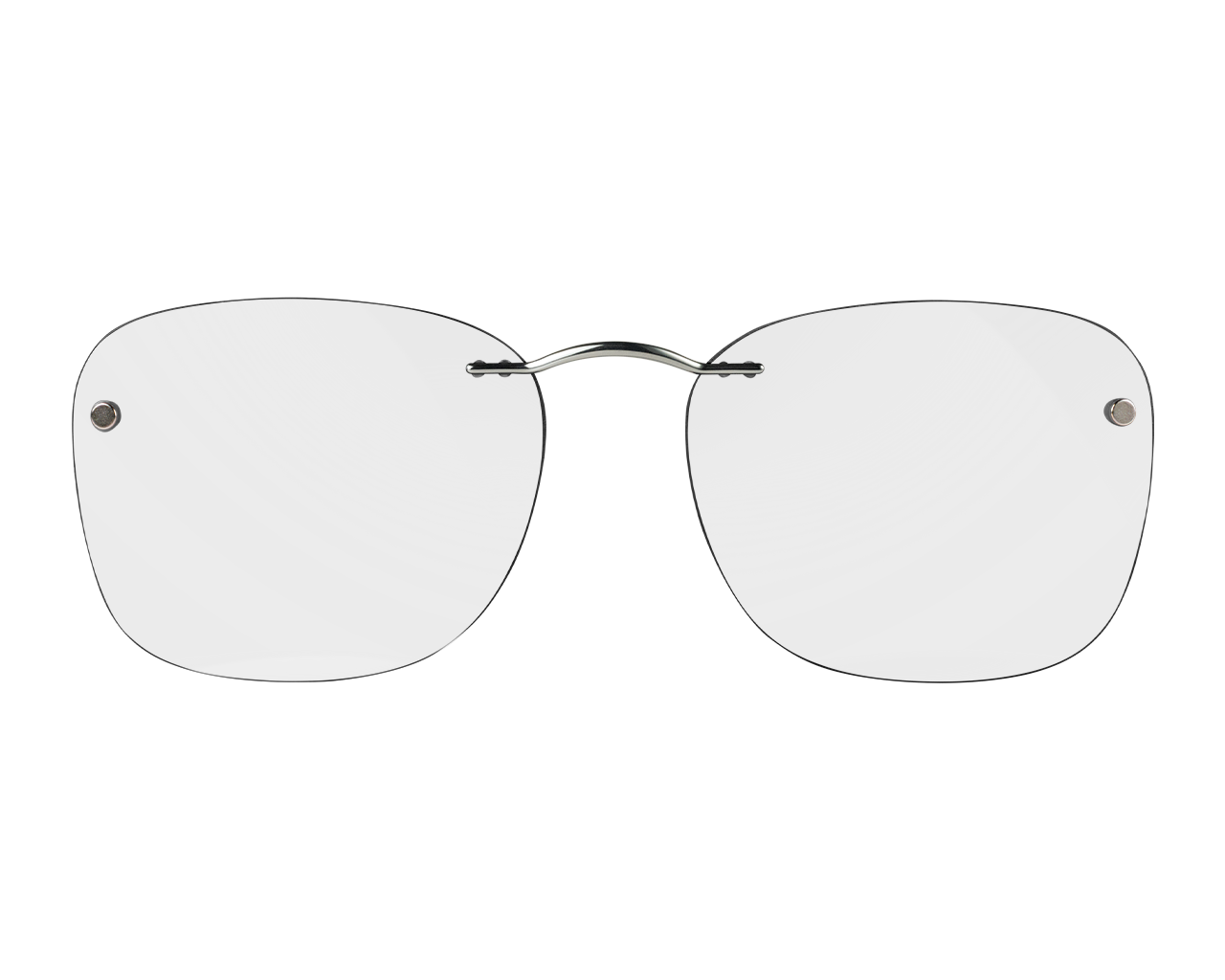
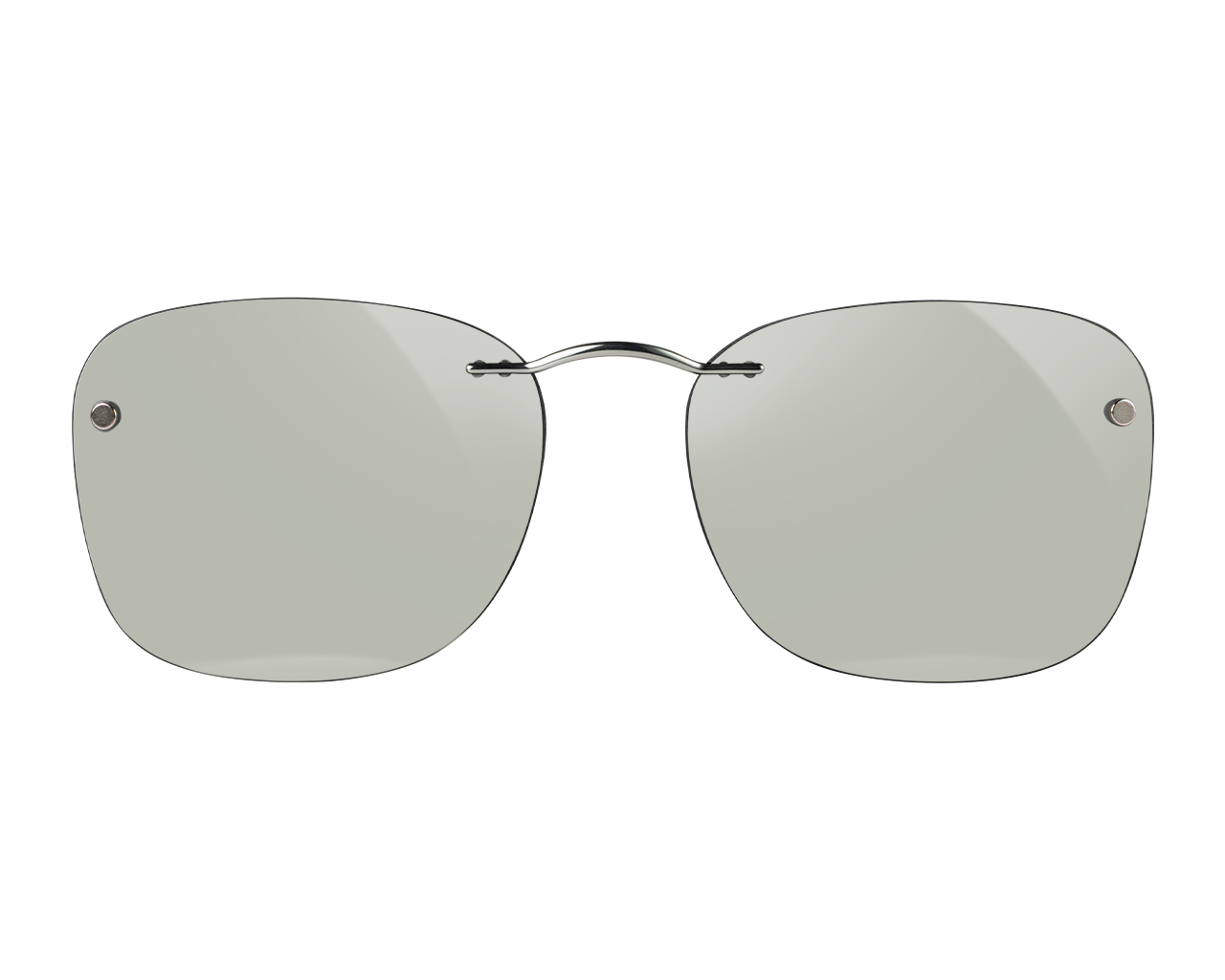
Chemistrie is a custom magnetic clip-on eyewear system. Tiny magnets are installed into the prescription lenses, outside the main sightline. A matching clip-on lens layer is then custom-crafted to fit the exact frame and lens shape of your glasses.
This gives wearers a removable option. You can add the night driving clip-on when driving after dark and remove it when you return to regular daytime conditions. That makes it more flexible than buying a completely separate pair for one use case.
Custom Fit vs. Generic Night Driving Glasses
Generic night driving glasses are often made as one-size-fits-all eyewear. Some are worn over prescription glasses, while others are non-prescription glasses with a yellow or amber tint. The issue is that generic options may not match your prescription needs, your frame shape, or your preference for a clean fit.
Chemistrie night driving clip-ons are made for your exact eyewear. They are not bulky fit-overs, spring clips, or universal clip-on accessories. The clip-on layer is custom-cut to align with your frame and attach through the patented magnetic lens layering system.
For people who already wear prescription glasses, that difference matters. You keep your everyday glasses and add a purpose-built lens layer only when you need it. You can also learn how the glasses you already own can be made clip-ready for custom Chemistrie clip-ons.
What Else Helps Reduce Nighttime Glare?
Eyewear is only one part of the equation. There are other practical steps that can improve the overall nighttime driving experience.
- Keep your windshield clean inside and out.
- Replace worn wiper blades.
- Avoid looking directly into oncoming headlights.
- Use your rearview mirror’s nighttime setting when needed.
- Make sure your own headlights are clean and properly aimed.
- Give yourself more time in unfamiliar or poorly lit areas.
These steps work together with proper eyewear. The goal is to reduce unnecessary glare sources and create a clearer visual environment whenever possible.
When to Talk to an Eye Care Professional
If glare feels new, severe, or noticeably worse than before, it is worth having your eyes checked. Nighttime glare can be influenced by prescription changes, lens scratches, dry eyes, cataracts, and other vision-related factors. Chemistrie does not provide medical advice, and specialty lenses should not be used as a substitute for an eye exam.
An eye care professional can help confirm whether your prescription is current and whether a nighttime lens option makes sense for your needs. The American Academy of Ophthalmology’s guidance on vision and driving provides additional information about vision changes that can affect driving after dark.

The Bottom Line
So, what actually works for night driving glare? Start with clean lenses and a clean windshield. Make sure your prescription is current. Avoid dark sunglasses at night. Then consider lens technology designed specifically for nighttime glare control and contrast support.
Chemistrie night drive lenses give users of prescription glasses a custom magnetic clip-on option for nighttime driving. They are designed to reduce harsh headlight glare, support contrast, and provide a removable lens layer when nighttime conditions call for it.
For drivers who want a more flexible option than a separate pair of night driving glasses, Chemistrie offers a custom-fit solution that works with the glasses they already wear.
Frequently Asked Questions About Night Driving Glare
What is the best way to manage night driving glare?
The best approach combines clean glasses and windshields, a current prescription, practical nighttime driving habits, and task-specific glare-control lens technology. No single product replaces proper vision correction or professional guidance.
Do dark or yellow glasses help with night driving glare?
Dark lenses may reduce brightness, but they can also reduce the useful light available at night. Regular sunglasses and heavily tinted lenses are not appropriate for nighttime driving because they can make the overall environment appear dimmer.
What wavelengths do Chemistrie night drive lenses filter?
Chemistrie night drive lenses filter wavelengths between 565–595nm. They also use Quantum glare-control hardcoat technology to help reduce harsh light and support contrast during nighttime driving conditions.
Can Chemistrie night driving clip-ons be made for the glasses I already wear?
Chemistrie works with most prescription eyewear frames. Each clip-on is custom-crafted to match the exact frame and lens shape, with tiny magnets installed in the lenses outside the main sightline.
When should I speak with an eye care professional about nighttime glare?
Schedule an eye exam if nighttime glare is new, severe, or noticeably worse than before. An eye care professional can check your prescription and determine whether another vision-related factor may be affecting your nighttime visibility.


